Church of San Miguel: A Hidden Architectural Gem in Jerez
July 04, 2025

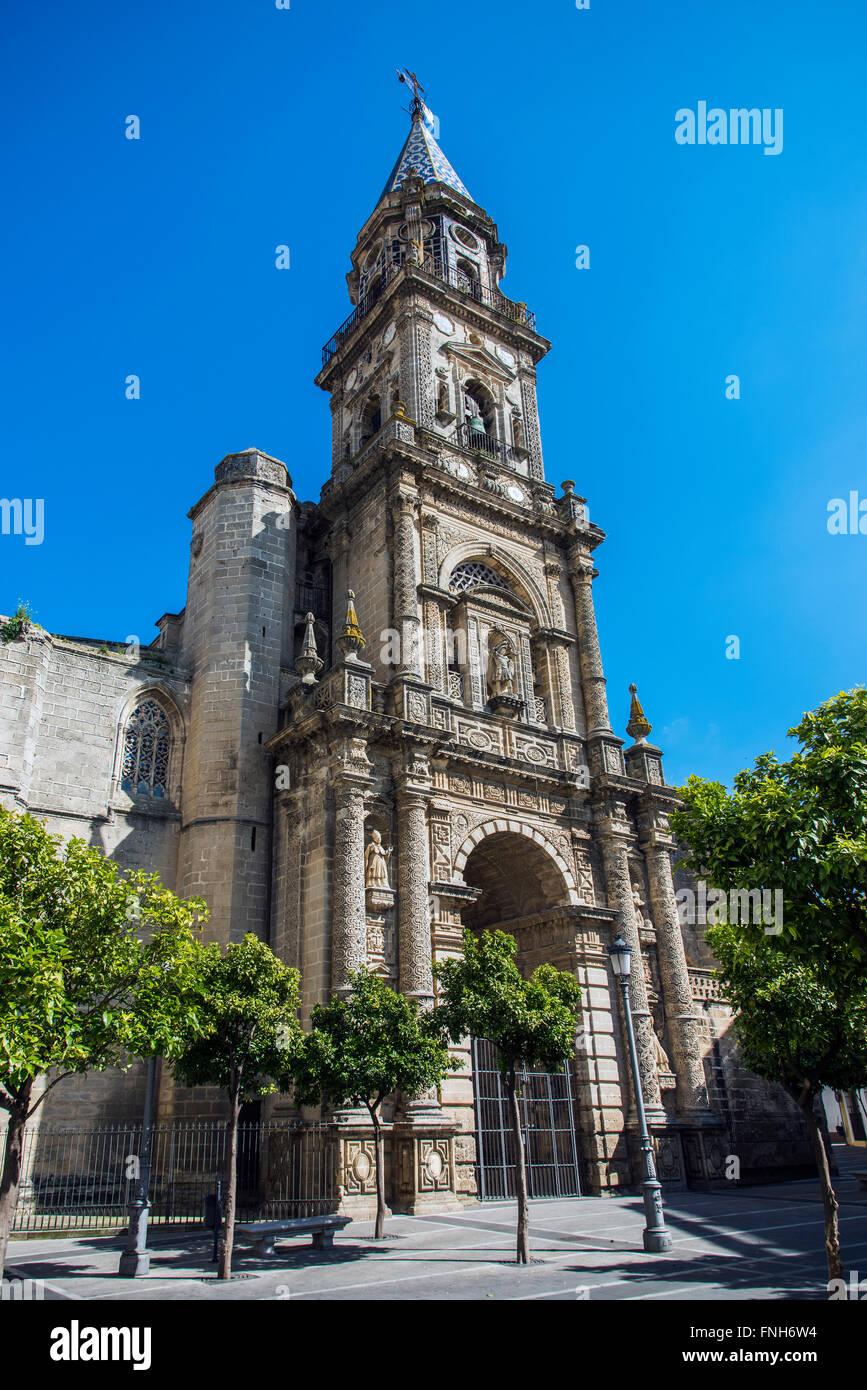
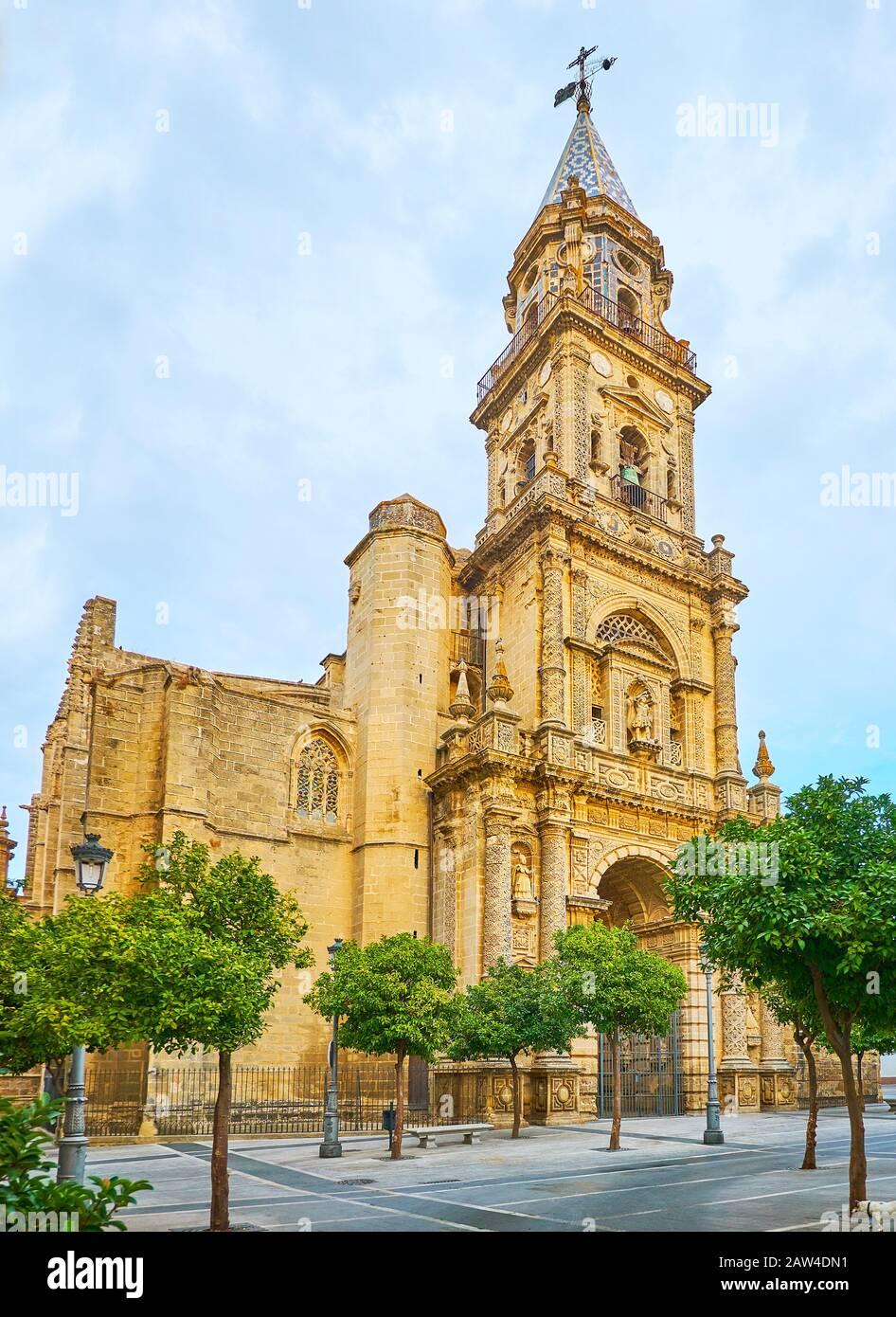
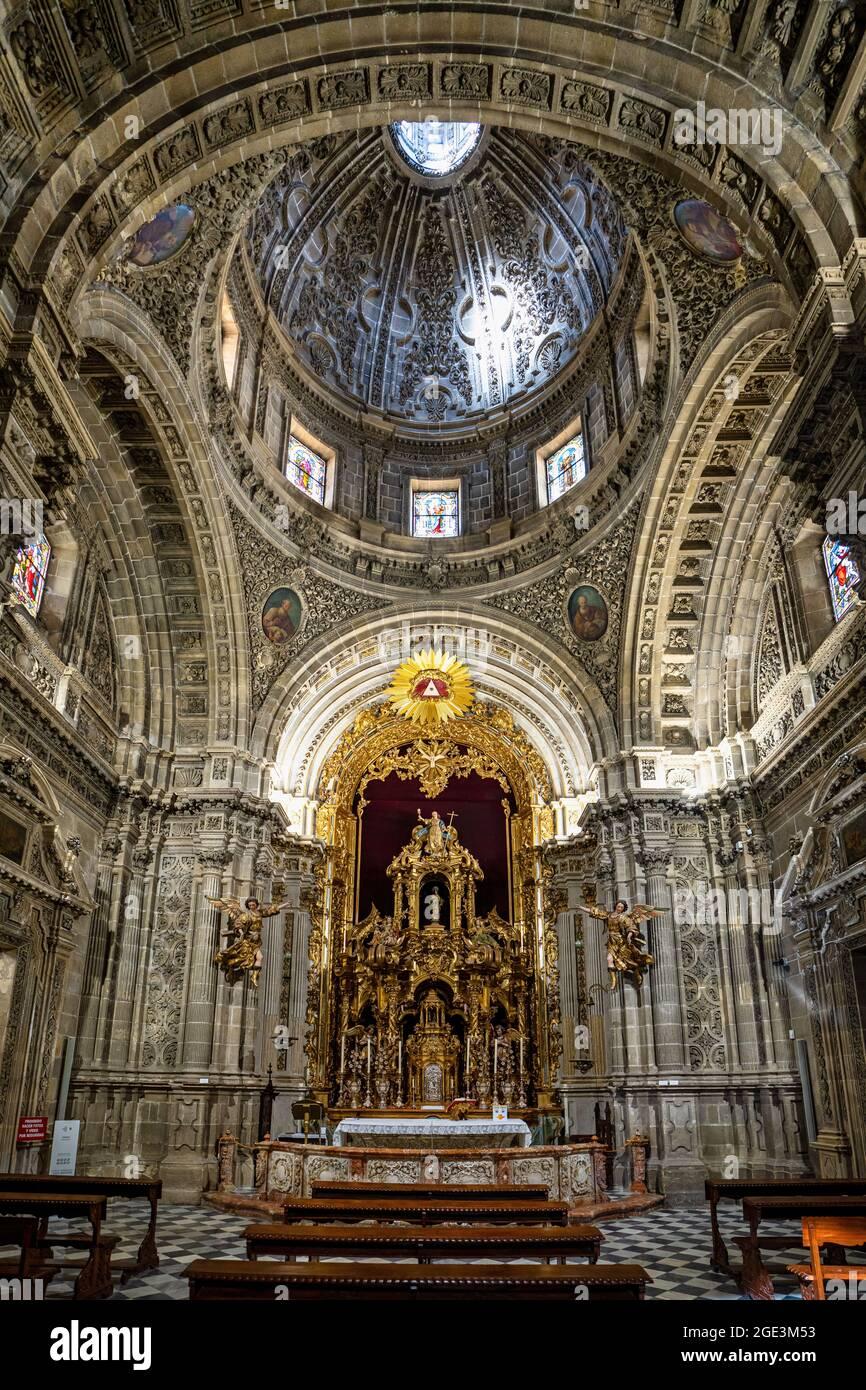
I spent nearly two hours exploring the Church of San Miguel, completely captivated by its architectural details and the way different historical styles blend seamlessly. The baroque bell tower and intricate stone carvings made the visit worthwhile, especially with the nearby Plaza del Arenal offering a perfect context for understanding Jerez's historical landscape.
Where Gothic meets baroque in a single stone masterpiece, the Church of San Miguel tells a story of architectural evolution through its unique three-tiered bell tower. Uncover the hidden layers of Jerez's religious heritage in a landmark that defies a single historical moment.
Need-to-Know Info Before Visiting Church of San Miguel
4+
images
Church of San Miguel Address
Plaza de San Miguel, 11402 Jerez de la Frontera, Cádiz, Spain
Church of San Miguel Opening Hours
- 🕒 Monday-Friday: 10:00 AM - 1:00 PM
- 🕒 Saturday: 11:00 AM - 2:00 PM
- 🕒 Sunday: Closed for public visits
How to get to Church of San Miguel
- 🚗 By car: Park at nearby municipal parking on Plaza Arenal
- 🚌 Public transport: Bus lines 1, 3, and 5 stop near the church
- 🚕 Rideshare: Uber and local taxi services available
What is Church of San Miguel known for?
- Nationally recognized cultural heritage site declared Bien de Interés Cultural in 1931
- Unique architectural fusion of Gothic, Renaissance, and baroque styles from 15th-18th centuries
- Spectacular three-tiered baroque bell tower with distinctive tile-patterned roof
- Significant religious landmark in the historic center of Jerez de la Frontera
What is Church of San Miguel in Jerez de la Frontera?
Tucked away in the historic center of Jerez de la Frontera, the Church of San Miguel stands as a testament to centuries of architectural evolution and cultural significance. Dating back to the period between the 15th and 18th centuries, this landmark attracts history buffs and architecture enthusiasts from across Spain and beyond. Travelers will find the church particularly compelling for its unique architectural blend - a stunning fusion of Gothic, Renaissance, and baroque styles that tells the story of changing artistic periods. The church's standout feature is its remarkable three-tiered baroque bell tower, crowned with a colorful tile-patterned roof that catches the Andalusian sunlight. Located in a bustling neighborhood, the Church of San Miguel draws steady crowds of tourists and local worshippers, offering a genuine glimpse into the religious and architectural heritage of Jerez. Photography enthusiasts often capture the intricate details of its facade and the striking bell tower, making it a popular spot for cultural snapshots. While not as massive as some cathedral complexes, the church's compact size and rich historical status as a Bien de Interés Cultural (Cultural Heritage Site) since 1931 make it a key stop for travelers interested in understanding the architectural and spiritual landscape of southern Spain.
Top things to do at Church of San Miguel
- Explore the intricate baroque bell tower, climbing to appreciate its three-tiered architectural design and panoramic views of Jerez's historic center
- Attend a traditional Catholic mass to experience the church's spiritual atmosphere and local religious practices
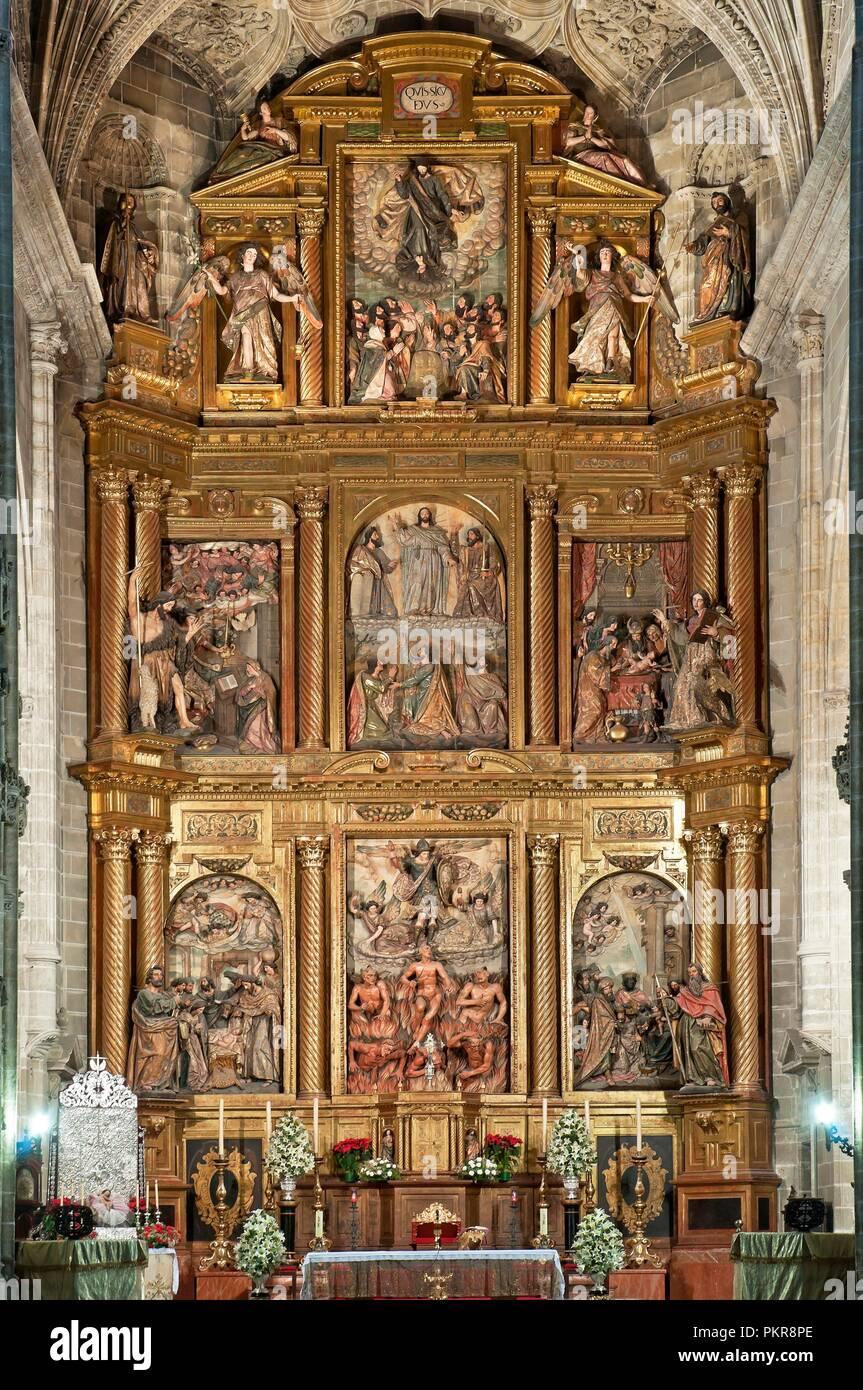
- Study the architectural fusion of Gothic, Renaissance, and baroque elements, focusing on unique design details in the nave and sanctuary
- Photograph the colorful tile-patterned roof and elaborate stone carvings on the church's exterior, capturing its historical craftsmanship
- Visit during local religious festivals to witness traditional ceremonies and understand the church's cultural significance in Jerez de la Frontera
- Check out the church's small museum displaying religious artifacts, historical documents, and liturgical objects from the 15th to 18th centuries
History of Church of San Miguel
- 15th Century: Initial construction begins, marking the start of the church's architectural journey
- 16th Century: Gothic architectural elements are incorporated into the church's design
- 17th Century: Renaissance architectural styles are integrated into the structure
- 18th Century: Baroque design elements, particularly the three-tiered bell tower, are completed
- 1931: Officially declared a Bien de Interés Cultural (Cultural Heritage Site), recognizing its historical and architectural significance
- Late 20th Century: Extensive restoration work preserves the church's original architectural features
Cultural Significance
The Church of San Miguel represents more than a religious building - it's a living testament to Jerez de la Frontera's architectural and cultural evolution. As a landmark that blends Gothic, Renaissance, and baroque styles, the church symbolizes the city's rich artistic heritage. Its location in the historic center makes it a focal point for local religious practices and a crucial landmark that connects generations of Jerez residents to their cultural roots.
Tips for Visitors
- Wear respectful clothing that covers shoulders and knees when entering the church
- Bring a camera to capture the intricate architectural details, especially the baroque bell tower
- Check local event calendars for religious festivals that might offer unique cultural experiences
- Plan your visit during morning hours for the best natural lighting for photography
- Consider hiring a local guide to understand the deep historical context of the church
- Allocate at least 1-2 hours for a comprehensive visit and appreciation of the architectural details
What are some interesting facts about Church of San Miguel?
- Local legends claim the church's bell tower was designed using mathematical principles that mathematically align with the summer solstice sunrise in Jerez
- During the Spanish Civil War, the church served as a temporary shelter and community meeting point for local residents, preserving its role beyond religious functions
- The colorful tile-patterned roof contains ceramic fragments from different historical periods, making it an unintentional architectural time capsule of Jerez craftsmanship