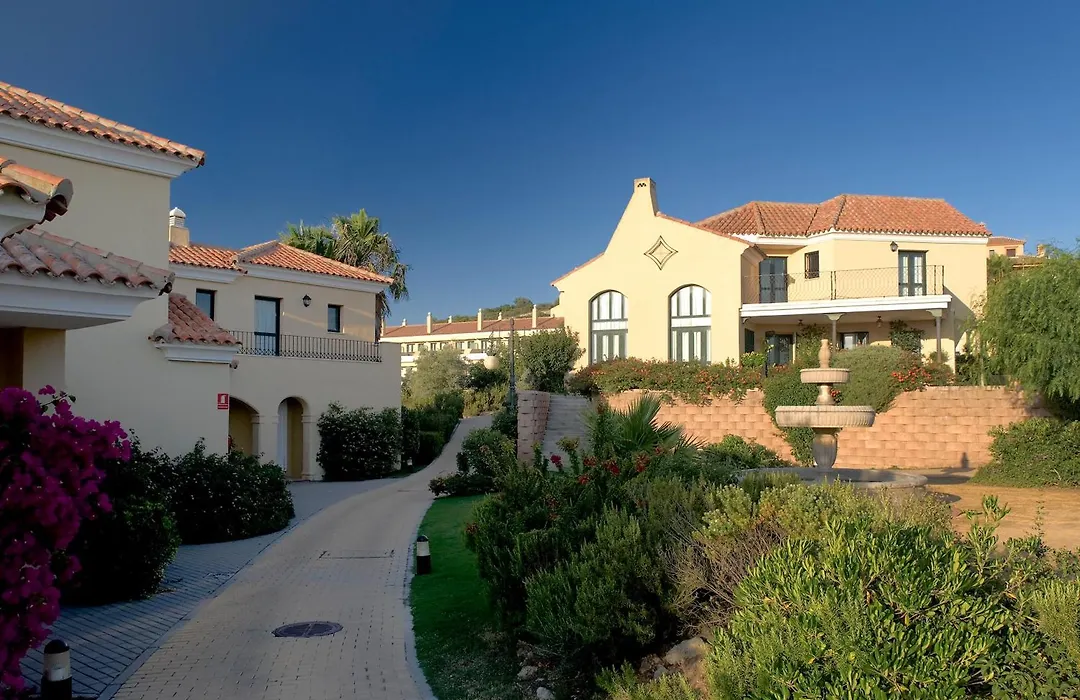
Convento de Santo Domingo: Discover Jerez's Hidden Monastery
August 09, 2025

I spent about two hours exploring the monastery, completely fascinated by the intricate Mudéjar architectural details and the rich historical exhibits. The guided tour near Plaza del Arenal was incredibly informative, and the proximity to other Jerez historical sites made it easy to include in a day of sightseeing.
Hidden within Jerez's historic center, Convento de Santo Domingo reveals centuries of architectural secrets etched into its stone walls. Uncover the silent stories of medieval Spanish religious life where Islamic and Christian design traditions mysteriously intersect.
Need-to-Know Info Before Visiting Convento de Santo Domingo


3+
images
Convento de Santo Domingo Address
Plaza de Santo Domingo, 11, 11402 Jerez de la Frontera, Cádiz, Spain
Convento de Santo Domingo Opening Hours
- 🕒 Tuesday-Saturday: 10:00 AM - 2:00 PM
- 🕒 Sunday: Guided tours only, 11:00 AM and 1:00 PM
- 🕒 Closed on Mondays
How to get to Convento de Santo Domingo
- 🚗 By car: Park near Plaza del Arenal, 5-minute walk
- 🚌 Public transport: Bus lines 1, 3, and 5 stop nearby
- 🚕 Rideshare: Uber and local taxi services available
What is Convento de Santo Domingo known for?
- Houses remarkable Mudéjar architectural elements from 15th-century Spanish-Islamic design
- Contains significant historical artifacts documenting Jerez's religious heritage
- Features original Gothic-Mudéjar style church with intricate stone carvings
- Part of a complex that played crucial roles in Jerez's medieval social structure
- Hosts occasional cultural exhibitions about local history and religious art
What is Convento de Santo Domingo in Jerez de la Frontera?
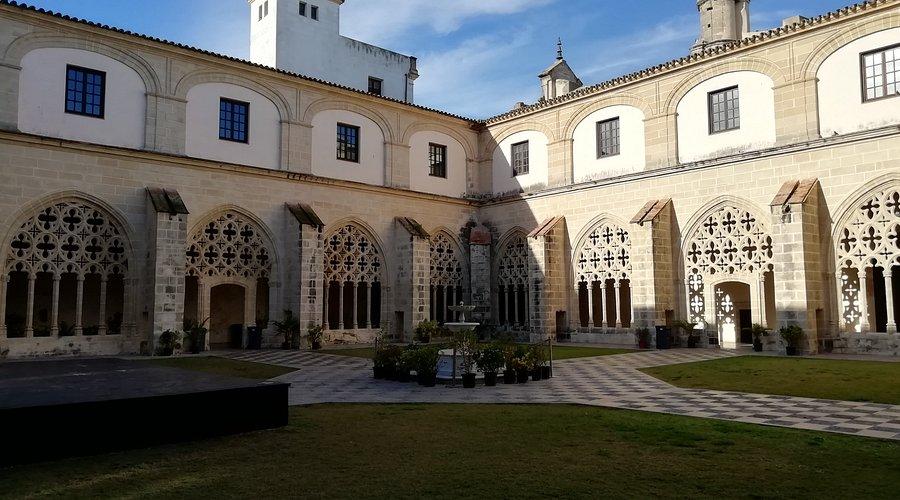
Tucked away in the historic center of Jerez de la Frontera, Convento de Santo Domingo stands as a testament to Spain's rich religious architectural heritage. This 15th-century monastery attracts history buffs and architecture enthusiasts who want to step back in time and experience the intricate Mudéjar design that defines Andalusian cultural spaces. Tourists typically spend about 1-2 hours exploring its stone-carved spaces, with most visitors being international travelers interested in Spain's medieval religious architecture. The landmark draws moderate crowds, particularly during summer months when guided tours highlight the building's complex historical significance. Its location near central Jerez makes it an easy stop for travelers exploring the city's cultural circuit, with professional guides offering deep insights into the monastery's role in local history. Photography enthusiasts appreciate the building's detailed Gothic-Mudéjar architectural elements, especially the ornate stone carvings and preserved architectural features that reveal centuries of Spanish cultural transformation. While not as famous as larger religious complexes in Spain, Convento de Santo Domingo offers an authentic glimpse into the architectural and spiritual landscape of medieval Andalusia.
Top things to do at Convento de Santo Domingo
- Explore the Gothic-Mudéjar church interior, focusing on the intricate stone carvings and original architectural details from the 15th century
- Join a guided historical tour that reveals the monastery's role in Jerez's medieval social and religious landscape
- Visit the monastery's small museum displaying religious artifacts, including historical liturgical objects and rare manuscripts from the Andalusian period
- Admire the original architectural elements, particularly the preserved Mudéjar-style archways and decorative stonework that showcase medieval Spanish craftsmanship
- Attend special cultural exhibitions that highlight local history, religious art, and the monastery's significance in Jerez's cultural heritage
- Photograph the distinctive architectural features, including the historic church facade and interior architectural details unique to this preservation site
Tickets and Entry
Entry to Convento de Santo Domingo is affordable and accessible. General admission costs 5 euros for adults, with reduced rates of 3 euros for students and seniors. Tickets can be purchased directly at the monastery entrance or online through the official Jerez cultural heritage website. Group discounts are available for parties of 10 or more visitors. Free entry is offered on the first Sunday of each month for local residents and cultural heritage pass holders.
History of Convento de Santo Domingo
- 1394: Initial construction of the monastery begins under the patronage of local nobility
- 1415: Completed construction of the main church building with distinctive Mudéjar architectural elements
- 1492: Significant renovations and expansion during the period of Spanish religious consolidation
- 1810: Partially damaged during Napoleonic Wars, requiring extensive restoration
- 1835: Affected by Spanish ecclesiastical confiscations, temporarily losing some original religious functions
- 1980: Declared a National Historical Monument, initiating comprehensive preservation efforts
- 2005: Major restoration project completed, reopening the site to public tours and cultural exhibitions
Cultural Significance
Convento de Santo Domingo represents a critical architectural and spiritual landmark in Jerez's medieval heritage. The monastery embodies the complex religious and cultural interactions between Christian and Islamic architectural traditions in Andalusia. Its preservation offers insights into the social and spiritual dynamics of 15th-century Spanish society, serving as a living museum of architectural and cultural transformation.
Tips for Visitors
- Wear comfortable walking shoes as the monastery involves navigating uneven historical surfaces
- Bring a camera, but check photography rules before taking pictures inside
- Book guided tours in advance during peak tourist season
- Allocate approximately 1-2 hours for a comprehensive visit
- Consider purchasing an audio guide for deeper historical context
- Check local event calendars, as the monastery occasionally hosts cultural exhibitions
What are some interesting facts about Convento de Santo Domingo?
- Local legend claims that a hidden underground tunnel connects the monastery to another historic building in Jerez, used during medieval times for secret communications
- The monastery's stone carvings include subtle mathematical symbols and geometric patterns that were used by medieval stonemasons as a form of secret communication among craftsmen
- During the Spanish Civil War, the monastery served as a temporary shelter and storage site for valuable religious artifacts from surrounding churches, protecting them from potential destruction