Museo de la Atalaya: A Journey Through Timekeeping History
July 14, 2025

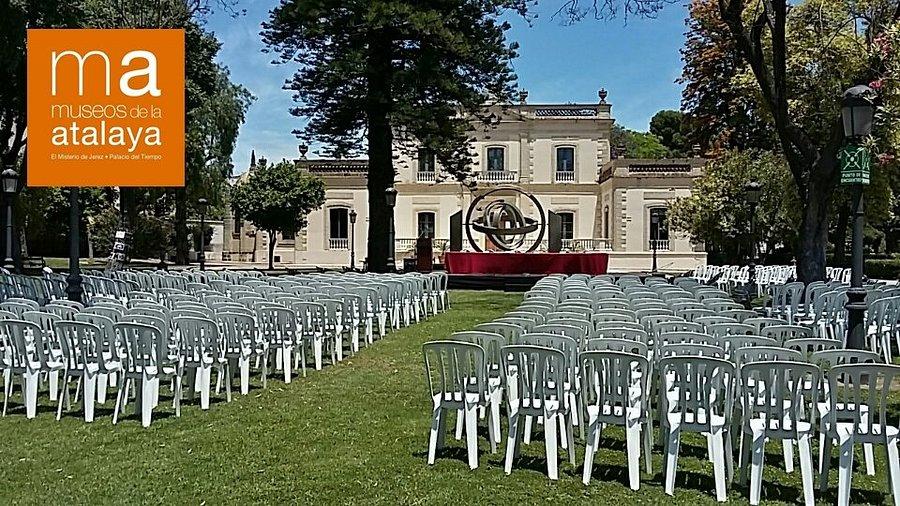
I spent nearly three hours exploring the intricate clock collection, absolutely mesmerized by the precision of 18th-century timepieces from renowned European clockmakers. The neo-classical palace provides a stunning backdrop for this unique museum, and I found myself captivated by the stories behind each carefully preserved clock.
Hidden in Jerez de la Frontera, Museo de la Atalaya houses a secret world of 280 rare timepieces that once belonged to European aristocrats. Step into the Palace of Time and uncover mechanical masterpieces that have quietly measured history for centuries.
Need-to-Know Info Before Visiting Museo de la Atalaya



5+
images
Museo de la Atalaya Address
Plaza de la Atalaya, s/n, 11402 Jerez de la Frontera, Cádiz, Spain
Museo de la Atalaya Opening Hours
- 🕒 Tuesday-Saturday: 10:00 AM - 6:00 PM
- 🕒 Sunday: 10:00 AM - 2:00 PM
- 🕒 Closed on Mondays
How to get to Museo de la Atalaya
- 🚗 By car: Accessible via A-4 highway, parking available nearby
- 🚌 Public transport: Bus lines 1 and 3 stop within walking distance
- 🚕 Rideshare: Uber and local taxi services operate in Jerez
What is Museo de la Atalaya known for?
- Houses one of Europe's most significant antique clock collections with over 280 timepieces
- Located in a neo-classical palace dating from 1873, transformed into a museum in 1973
- Features rare clocks from French, English, and Spanish clockmakers like Berthoud, Lepine, and Losada
- Includes twin wine cellars from 1881 used for meetings and events
- Showcases timepieces spanning the 17th to 19th centuries
What is Museo de la Atalaya in Jerez de la Frontera?
Tucked away in the heart of Jerez de la Frontera, Museo de la Atalaya stands as a hidden gem for clock enthusiasts and history buffs. This unique museum, nicknamed El Palacio del Tiempo (The Palace of Time), transforms a stunning neo-classical palace from 1873 into a treasure trove of horological wonders. Travelers seeking something beyond typical tourist attractions will find themselves captivated by its extraordinary collection of 280 antique timepieces from the 17th to 19th centuries. The museum isn't just another static display - it's a dynamic journey through timekeeping history, showcasing intricate works from renowned French, English, and Spanish clockmakers like Berthoud, Lepine, and Losada. Adding to its charm, the complex includes two refurbished twin wine cellars from 1881, making it a versatile space for both museum visits and event hosting. While not overrun with tourists, it attracts history lovers, design enthusiasts, and those curious about the intricate craft of clockmaking. The museum offers a quiet, intimate experience where visitors can get up close to centuries-old mechanical marvels that once measured time for aristocrats and craftsmen across Europe.
Top things to do at Museo de la Atalaya
- Explore the comprehensive collection of over 280 antique timepieces from the 17th to 19th centuries, featuring works by renowned clockmakers like Berthoud and Losada
- Take a guided tour of the neo-classical palace, learning about the intricate history and craftsmanship of European clockmaking
- Visit the twin wine cellars from 1881, now refurbished as event spaces, to understand the museum's architectural transformation
- Examine close-up displays of rare French, English, and Spanish clocks, including intricate mechanisms from legendary makers like Lepine and Taylor
- Attend special workshops explaining the technical evolution of timekeeping technology from mechanical to precision engineering
- Photograph the stunning neo-classical architecture and the museum's impressive collection of historical timepieces
Tickets and Pricing
Entry to Museo de la Atalaya costs 8 euros for adults, with reduced rates for students and seniors at 5 euros. Tickets can be purchased online through the museum's official website or at the entrance. Group discounts are available for parties of 10 or more. Children under 12 enter free. Guided tour tickets are an additional 3 euros and include detailed insights into the clock collection and museum history.
History of Museo de la Atalaya
- 1873: Neo-classical palace originally constructed in Jerez de la Frontera
- 1881: Twin wine cellars added to the complex, later to be refurbished
- 1973: Palace officially transformed into a museum dedicated to timekeeping
- 1990s: Extensive restoration of the building and expansion of clock collection
- 2000: Rebranded as El Palacio del Tiempo (The Palace of Time)
- 2010: Major renovation to improve exhibition spaces and visitor facilities
Tips for Visitors
- Allocate at least 2 hours for a comprehensive museum visit
- Photography is permitted but without flash to protect delicate artifacts
- Free audio guides available in Spanish and English
- Comfortable walking shoes recommended for exploring multiple rooms
- Nearby cafés offer lunch options within walking distance
- Winter months (November-February) have reduced visitor crowds
- Wheelchair accessible with elevator between floors
What are some interesting facts about Museo de la Atalaya?
- The twin wine cellars from 1881 were completely refurbished and now serve as unique event spaces, offering a blend of historical architecture and modern functionality
- The museum's clock collection includes pieces from legendary clockmakers that were once owned by European aristocrats, with some timepieces valued at over €100,000
- Local clock enthusiasts helped curate the museum's collection, with many rare pieces donated by families from Jerez and surrounding regions who wanted to preserve horological history