
Palace of Time: Spain's Horological Heritage in Jerez
July 10, 2025

I spent nearly two hours exploring the fascinating clock collections, with the interactive restoration workshop being the most engaging part of my visit. The museum is conveniently located near Jerez Cathedral and the Alcázar de Jerez, making it easy to combine with other local historical attractions.
Palace of Time reveals the hidden world of mechanical timekeeping through centuries of precision engineering tucked away in a historic Jerez building. Uncover the secret stories behind clocks that have tracked time through wars, revolutions, and technological transformations.
Need-to-Know Info Before Visiting Palace of Time

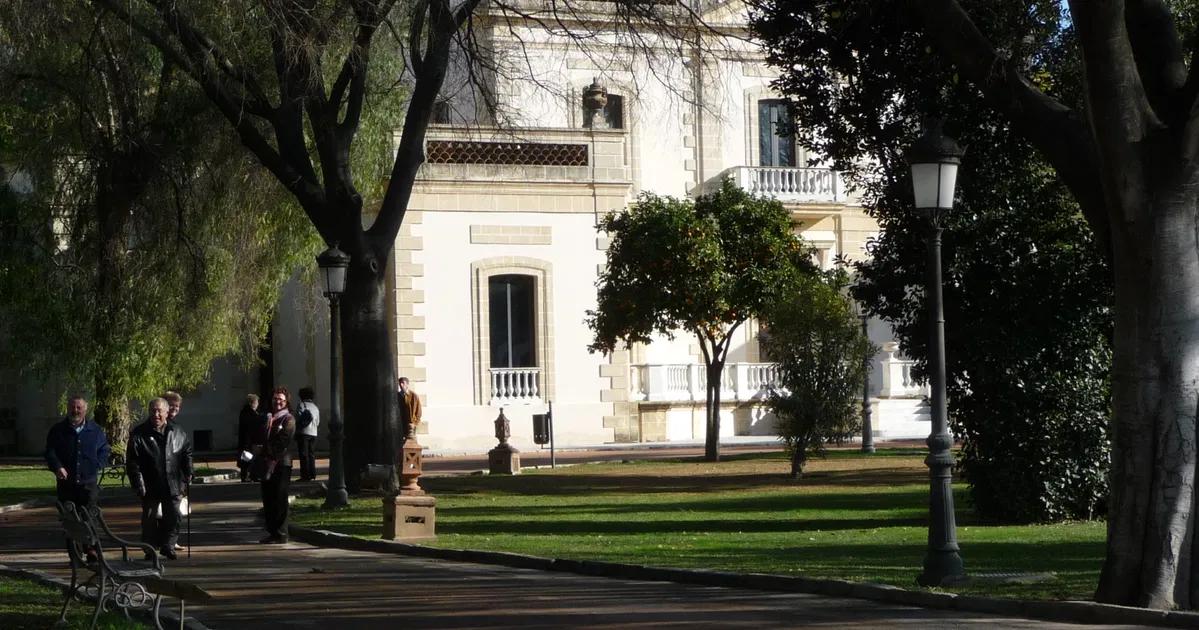
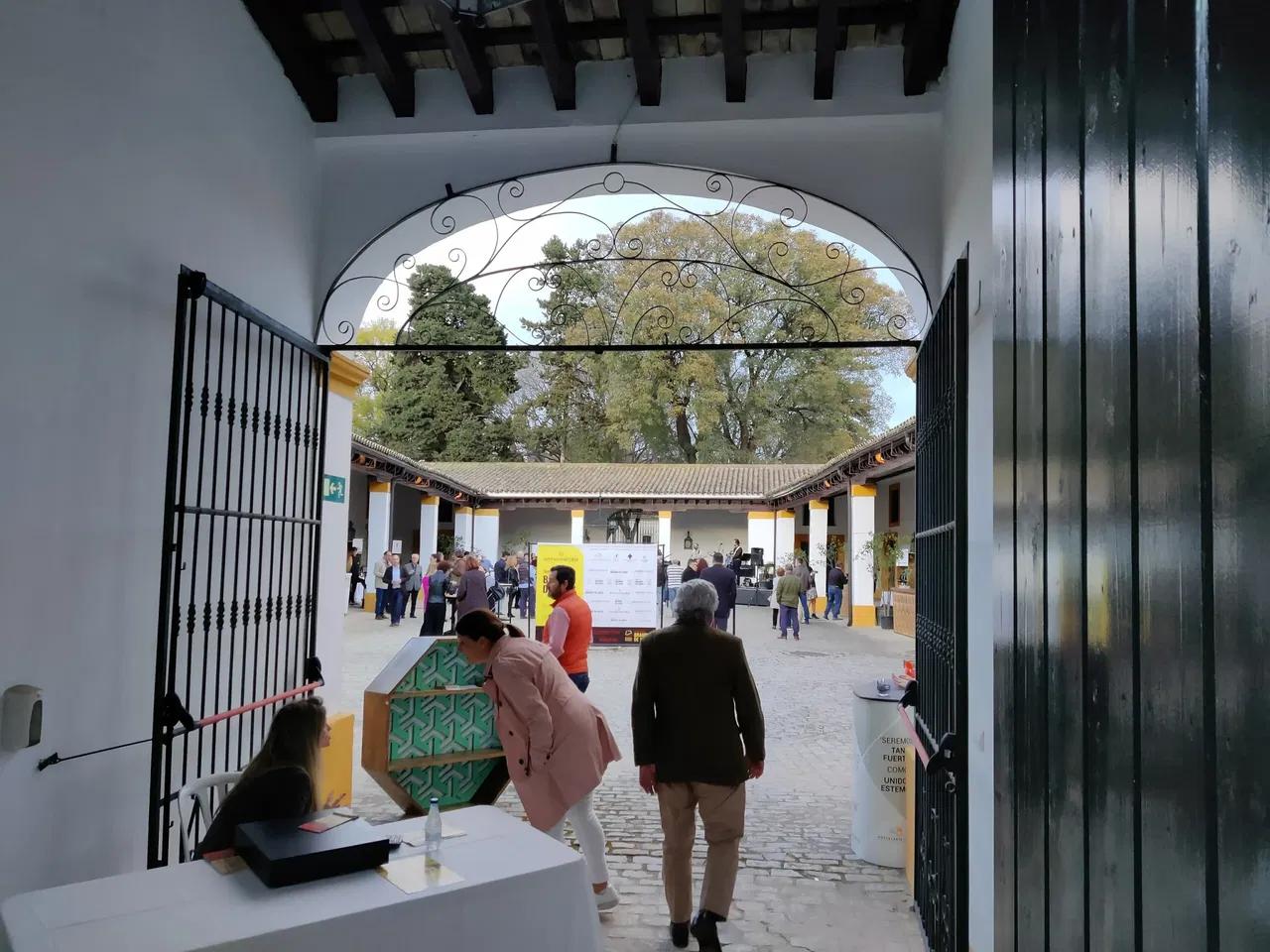
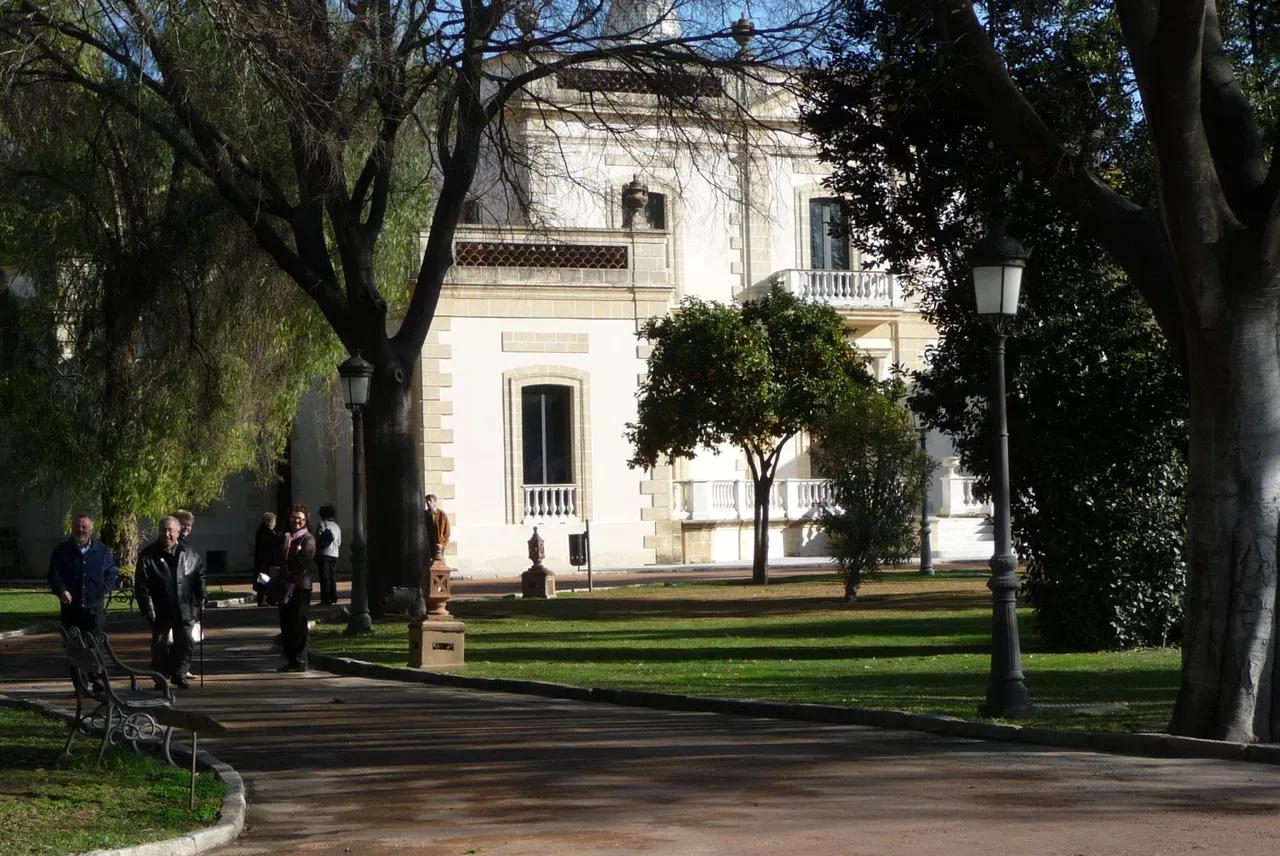
5+
images
Palace of Time Address
Calle Consistorio, 12, 11403 Jerez de la Frontera, Cádiz, Spain
Palace of Time Opening Hours
- 🕒 Tuesday-Sunday: 10:00 AM - 6:00 PM
- 🕒 Closed on Mondays
- 🕒 Holiday hours may vary
How to get to Palace of Time
- 🚗 By car: Parking available near city center
- 🚌 Public transport: Bus lines 1, 3, and 5 stop nearby
- 🚕 Rideshare: Uber and local taxi services accessible
What is Palace of Time known for?
- Largest collection of antique timepieces in southern Spain
- Showcases mechanical clocks dating from 16th to 19th centuries
- Interactive exhibits explaining clockmaking techniques
- Located in historic building with original architectural features
- Guided tours available in Spanish and English
What is Palace of Time in Jerez de la Frontera?
Palace of Time sits in the heart of Jerez de la Frontera as a specialized museum dedicated to mechanical timekeeping and horological history. Located in a historic building near the city center, this museum attracts clock enthusiasts and casual travelers curious about the intricate world of timekeeping technology. Visitors can explore an extensive collection of mechanical clocks spanning several centuries, with most exhibits focused on pieces from the 16th to 19th centuries. The museum draws around 25,000 visitors annually, making it a modest but significant cultural attraction in Andalusia. Inside, guests encounter meticulously restored timepieces that showcase the engineering precision of clockmakers from different European traditions. Mechanical clocks from France, Germany, and Spain create a comprehensive narrative of technological evolution, with interactive displays that explain the complex mechanisms behind each artifact. While not as large as national museums in Madrid or Barcelona, Palace of Time offers an intimate and focused exploration of timekeeping that appeals to those interested in technical craftsmanship and historical innovation. Visitors typically spend between 90 to 120 minutes exploring the exhibits, making it an ideal stop for travelers seeking a deeper understanding of mechanical engineering and cultural history.
Top things to do at Palace of Time
- Join the 45-minute guided tour explaining the evolution of mechanical timekeeping, available in Spanish and English
- Explore the interactive workshop where visitors can see live clockmaking demonstrations and understand gear mechanisms
- Discover the rare astronomical clock collection from 17th-century European craftsmen, featuring intricate planetary movement displays
- Participate in the hands-on restoration workshop (advance booking required) to learn basic clock repair techniques
- Watch the daily 30-minute multimedia presentation detailing the scientific principles behind mechanical timekeeping
- Visit the special exhibition room showcasing regional Andalusian clockmaking traditions and local horological innovations
- Take a close-up look at the museum's most significant artifact: a 16th-century Spanish tower clock with original mechanical components
- Enjoy the museum's digital archive where visitors can research historical timepieces using touchscreen displays
Tickets and Pricing
Entry to Palace of Time costs 8 euros for adults, with reduced rates for students and seniors at 5 euros. Children under 12 enter free. Online tickets can be purchased through the museum's official website, offering a 10% discount and guaranteed entry during peak tourist seasons. Group discounts are available for parties of 10 or more, with advance booking recommended.
History of Palace of Time
- 1880: Original building constructed as a municipal administrative center in Jerez de la Frontera
- 1920: Building first used to house local historical artifacts related to timekeeping
- 1952: Initial collection of mechanical clocks begins with donations from local horological enthusiasts
- 1975: Official museum status granted, focusing specifically on mechanical timepieces
- 1998: Major renovation transforms the space into a dedicated horological museum
- 2005: Significant expansion added, including interactive exhibit spaces
- 2015: Digital archives and multimedia displays introduced to modernize visitor experience
Tips for Visitors
- Wear comfortable walking shoes as museum tour involves standing and walking
- Photography is allowed without flash in most exhibit areas
- Free audio guides available in Spanish and English
- Plan for 90-120 minutes to fully explore all exhibits
- Closest parking is on Calle Consistorio, limited spaces during peak hours
- Restrooms and small café available inside the museum
- Wheelchair accessible with elevator between floors
What are some interesting facts about Palace of Time?
- The museum's oldest clock is a rare 1587 astronomical timepiece crafted by a German monk who spent 12 years creating its intricate planetary movement mechanism
- During Spanish Civil War, this building served as a temporary archive, secretly protecting hundreds of historical documents from potential destruction
- The museum houses a unique collection of 37 mechanical clocks that still function using their original 17th-century internal mechanisms, making it one of the most preserved collections in Europe