San Dionisio Parish: A Window into Jerez's Religious Heritage
June 23, 2025

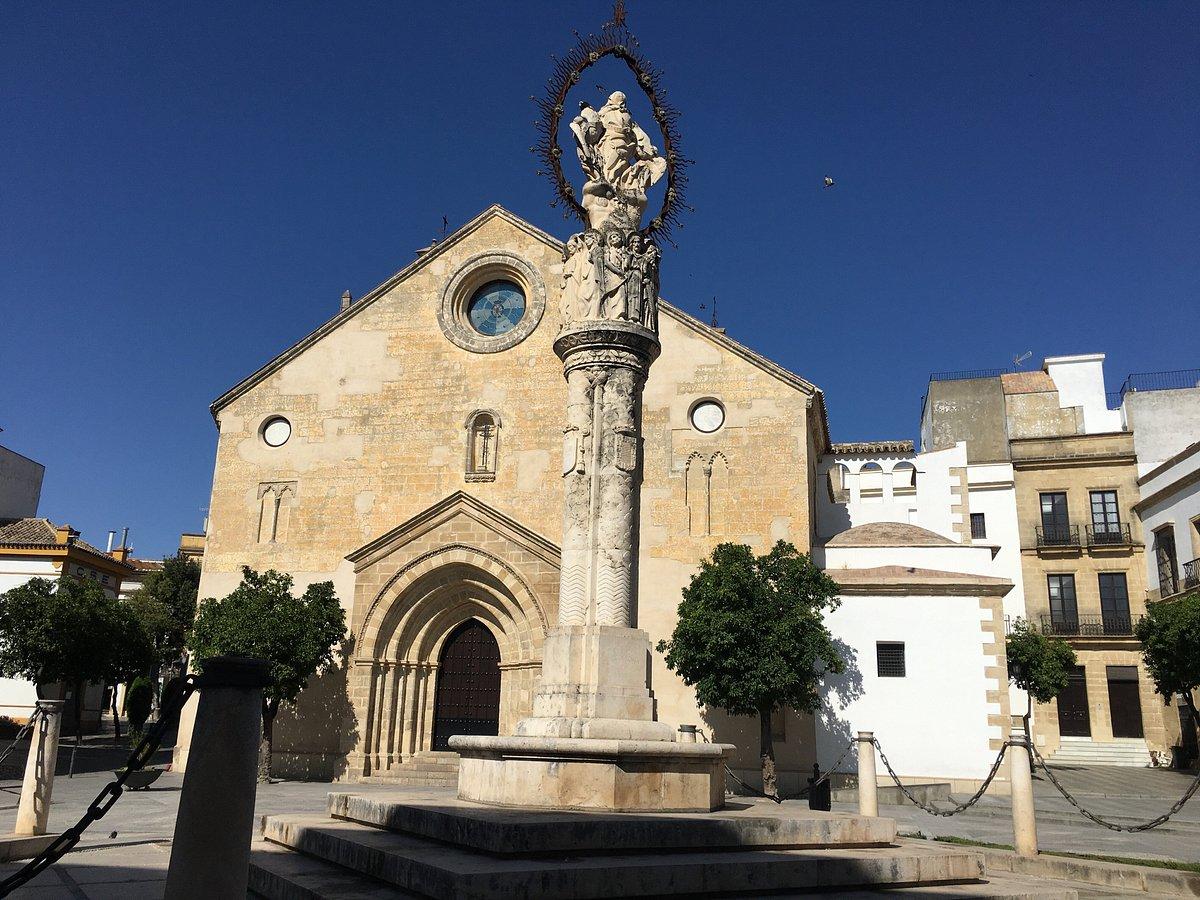
I spent about two hours exploring the San Dionisio Parish, fascinated by the intricate architectural details blending Gothic and Moorish design. The church is easily accessible from Jerez city center, with nearby cafes and historic streets making it a perfect stop during a walking tour of the area.
Where medieval Spanish architecture whispers centuries of cultural secrets, San Dionisio Parish stands as a living canvas of artistic fusion. Uncover the hidden stories etched in stone where Gothic, Moorish, and Baroque styles collide in one extraordinary church.
Need-to-Know Info Before Visiting Parish of San Dionisio
5+
images
Parish of San Dionisio Address
Plaza de San Dionisio, s/n, 11403 Jerez de la Frontera, Cádiz, Spain
Parish of San Dionisio Opening Hours
- 🕒 Monday-Saturday: 10:00 AM - 1:00 PM
- 🕒 Sunday: 9:00 AM - 12:00 PM
- 🕒 Closed during religious ceremonies and events
How to get to Parish of San Dionisio
- 🚗 By car: Parking available near Plaza San Dionisio
- 🚌 Public transport: Bus lines 1, 3, and 5 stop nearby
- 🚕 Rideshare: Uber and local taxi services accessible
What is Parish of San Dionisio known for?
- 15th-century Catholic church showcasing rare Gothic-Mudejar architectural style
- 18th-century Baroque modifications that highlight artistic evolution
- Important religious landmark in historic Jerez de la Frontera
- Houses significant religious artifacts and sculptural works from different centuries
- Represents cultural and architectural fusion of medieval Spanish religious traditions
What is Parish of San Dionisio in Jerez de la Frontera?
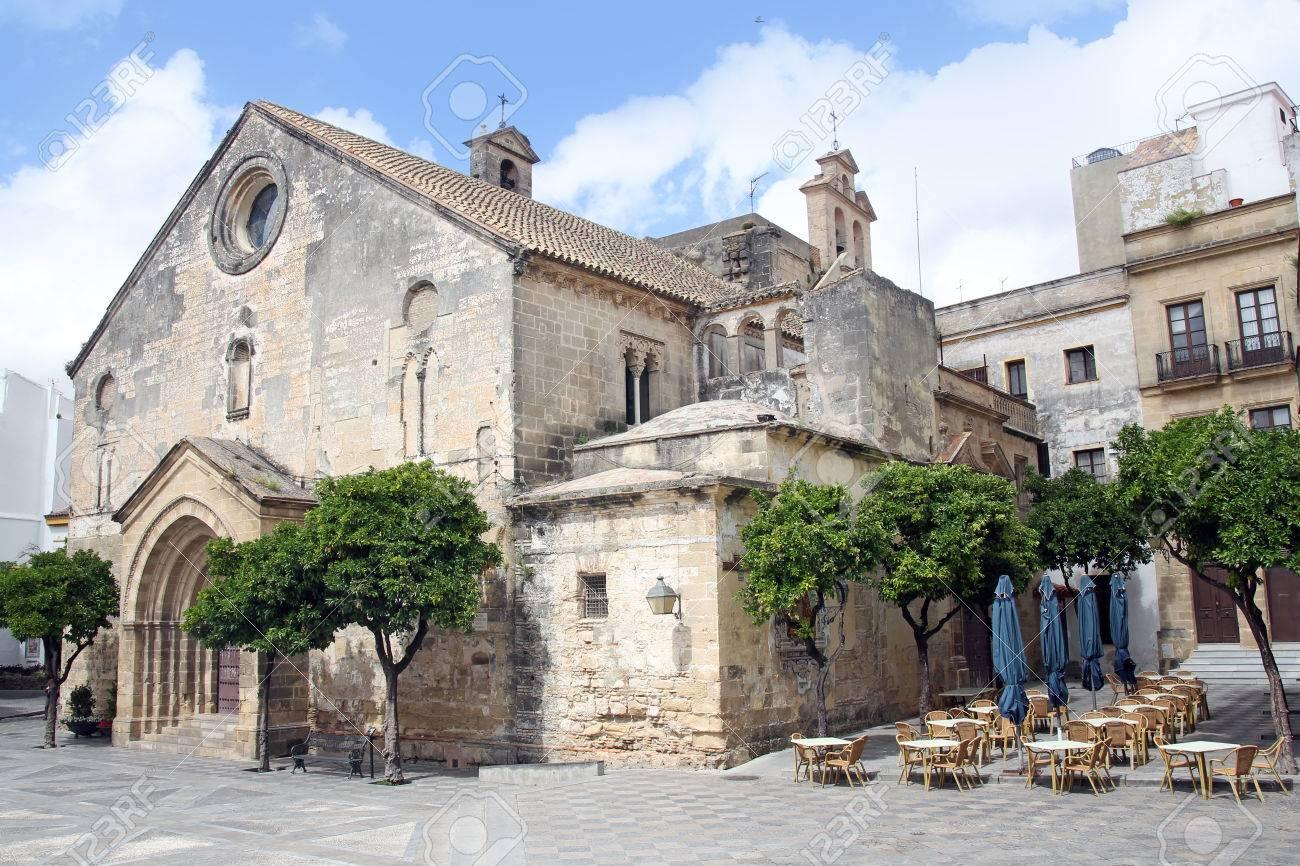
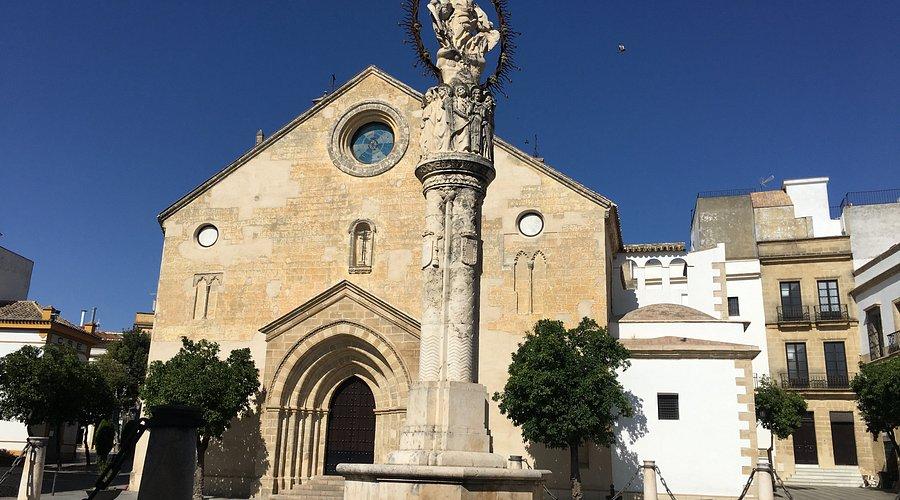
San Dionisio Parish stands as a landmark where centuries of Spanish architectural and religious history collide. Located in the heart of Jerez de la Frontera, this church attracts thousands of tourists and local worshippers each year who want to experience its architectural storytelling. The building's exterior blends Gothic-Mudejar architectural elements with later Baroque modifications, creating a visual timeline of Spanish cultural evolution. Visitors can spot intricate stone carvings, pointed arches, and decorative elements that showcase the craftsmanship of different historical periods. Photographers and history buffs frequently capture the church's unique architectural details, with its stone facade providing stunning backdrops that highlight Jerez's rich cultural heritage. During religious festivals and weekly masses, the church becomes a focal point for community gatherings, drawing both devout Catholics and cultural enthusiasts. Its location in Jerez's historic district means visitors can easily combine a church visit with exploring nearby traditional Spanish streets and local cafes.
Top things to do at Parish of San Dionisio
- Explore the Gothic-Mudejar architectural details, focusing on the intricate stone carvings and original 15th-century structural elements
- Attend a traditional Catholic mass to experience the parish's living religious heritage and community atmosphere
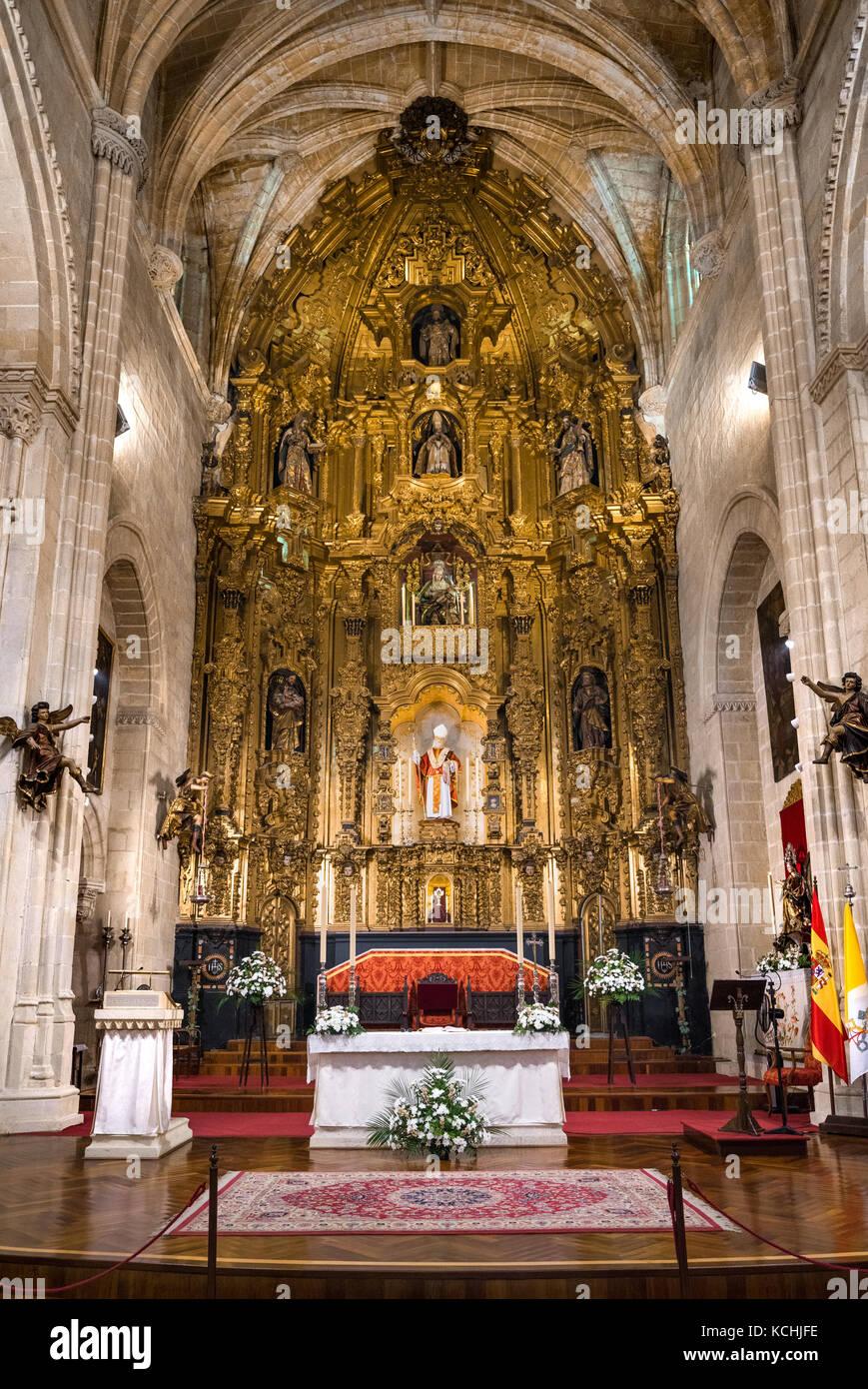
- Examine the 18th-century Baroque altar modifications, which showcase remarkable craftsmanship and artistic evolution
- Check out the religious artifacts collection, including historic liturgical objects and sacred vestments from different centuries
- Photograph the church's unique architectural fusion, capturing the blend of medieval Gothic and Moorish design elements
- Visit during local religious festivals to witness traditional ceremonies and community celebrations unique to Jerez de la Frontera
History of Parish of San Dionisio
- 15th Century: Original church construction begins, reflecting the Gothic-Mudejar architectural style prevalent during the Renaissance period in Spain
- 16th Century: Initial structural modifications reflect the growing religious importance of Jerez de la Frontera
- 18th Century: Significant Baroque architectural alterations transform the church's interior and exterior design
- 19th Century: Parish becomes a key religious center in Jerez, serving the local Catholic community
- 20th Century: Recognized as a historical monument, preserving its architectural and cultural significance
- 2000-Present: Ongoing conservation efforts to maintain the church's original architectural elements
Cultural Significance
San Dionisio Parish represents more than a religious building - it's a living testament to Jerez de la Frontera's rich cultural heritage. The church symbolizes the architectural and spiritual evolution of the region, blending Gothic, Mudejar, and Baroque influences. Local residents consider the parish a cornerstone of community identity, hosting important religious ceremonies, cultural events, and serving as a historical landmark that connects generations.
Tips for Visitors
- Respect religious services and maintain quiet during mass
- Photography is permitted, but avoid using flash inside the church
- Wear modest clothing that covers shoulders and knees
- Free entry, but donations are appreciated
- Guided tours available in Spanish; check schedule in advance
- Best time to visit is during morning hours when lighting is optimal for architectural details
- Nearby cafes and restaurants offer perfect spots to rest after exploring
Dress Code
As a functioning Catholic church, visitors should dress respectfully. Avoid shorts, sleeveless tops, or revealing clothing. Men and women should cover shoulders and knees. During religious services, maintain a quiet and reverent demeanor.
What are some interesting facts about Parish of San Dionisio?
- Local legend claims the church's Gothic-Mudejar stone carvings include hidden symbols from Moorish craftsmen who secretly embedded their cultural identity into Christian architecture
- During the Spanish Civil War, the parish served as a crucial sanctuary, protecting local residents and preserving important religious artifacts from destruction
- The church's bell tower contains a unique acoustic design that allows sound to travel differently compared to other churches in the region, creating a distinctive resonance during bell ringing